
5 Lessons from an Adult Onset Swimmer
A year ago, I couldn’t swim half a length of the pool without feeling like I was drowning. I’d taken swim lessons as a kid, so I knew how to not die in the water — but I hadn’t attempted freestyle in almost 30 years. On the rare occasion I did swim, it was just a leisurely breaststroke with my head above water.
So when I signed up for an Ironman last summer, I had to teach myself how to actually swim.
No coach. No formal lessons. Just YouTube videos, online tutorials, and a whole lot of trial and error.
Fast forward a few months, and I went from struggling to swim 25 meters to holding a 1:57/100m threshold pace and cruising through long sessions. I even finished my Ironman swim in a solid time — and, surprisingly, enjoyed it.
Here are the biggest lessons I learned as an adult onset swimmer, and how I went from panicking underwater to feeling confident in both the pool and open water.
1. Mastering Breathing Is Everything
Most new swimmers don’t struggle with strength or endurance — they struggle with breathing.
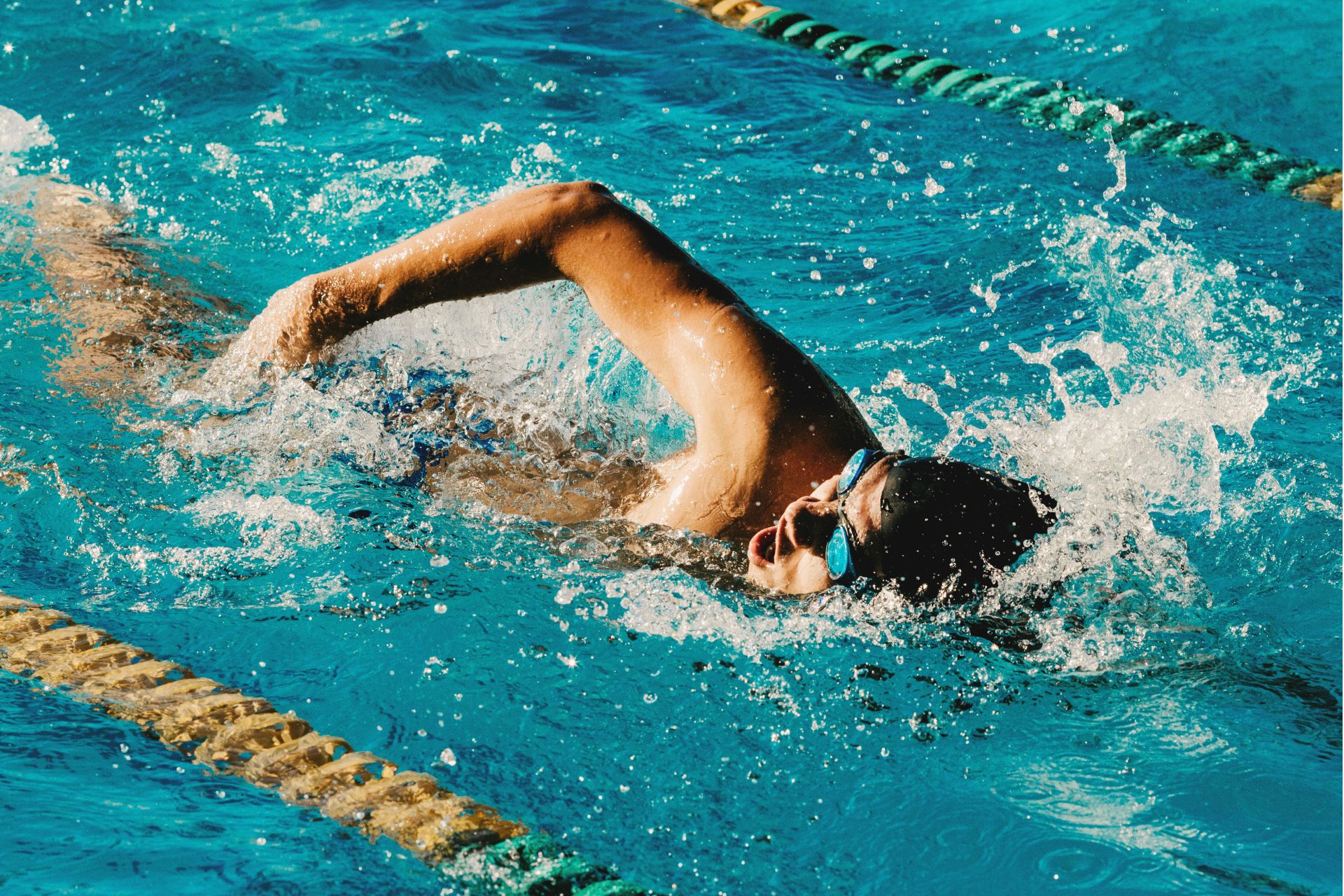
When you first start, putting your face in the water and timing your breaths feels completely unnatural. You either hold your breath too long, panic, or come up gasping for air. That’s usually why beginners can’t make it across the pool.
Start simple:
- Get comfortable underwater. Spend time blowing bubbles and exhaling underwater before you try to add strokes.
- Practice with breaststroke. Do a few sessions swimming proper breaststroke (with your face in the water) to get used to the rhythm of submerging and breathing out.
- Breathe to one side. When you move to freestyle, start by breathing every couple of strokes to your preferred side. Once it feels natural, you can add bilateral breathing later if you want.
Once you nail the breathing rhythm, everything else becomes easier — your body relaxes, you move more smoothly, and swimming finally starts to feel sustainable.
2. Don’t Try to Fix Everything at Once
There’s a lot happening in swimming — breathing, body position, catch, pull, kick — and trying to master all of it at once will just slow down your progress, so it’s best to focus on one thing at a time.
Get your breathing right first, followed by body position (a straight line from head to hips). Then you can work on your catch and pull, and only after that, fine-tune your kick.
Swimming rewards patience and repetition. When you focus on just one element at a time, your progress compounds faster than if you’re fighting to remember five things every stroke.
3. Slow Down to Speed Up
This is what made the biggest difference for me. Pushing harder doesn’t make you faster; it just makes you tired and impacts your ability to breathe.
If you’re gasping at the wall after every lap, you’re either going too fast or your breathing is off. Slow down, focus on relaxed, controlled strokes, and find a rhythm that feels smooth and sustainable.
While strength and fitness are helpful, swimming is very much a technique sport. Your speed will come naturally once your technique improves.

4. Use Drills and Pool Accessories
Swimming can feel awkward at first, and that’s where drills and tools really help. They isolate parts of your stroke so you can focus on one skill at a time.
My favourites:
- Pull buoy: Keeps your hips high and body straight so you can focus on breathing and your arm stroke.
- Kickboard: Helps you practice your kick and improve propulsion.
- Snorkel: Lets you focus on form without worrying about breathing.
If you’re self-taught, these tools are invaluable — they make the learning process smoother and help you build confidence faster.
5. Mindset Is Everything: Relax
Swimming is as much a mental sport as it is physical — especially for adult onset swimmers.
Fear of the water, panic while breathing, or overthinking every movement can stall progress. It’s also one of the biggest reasons so many triathletes dread the swim.
The key is to relax.
Once I stopped fighting the water and started flowing with it, everything changed. By my first Ironman, I wasn’t nervous about the swim at all — which still amazes me.
Instead of worrying about how fast I’d go or what might go wrong, I treated the swim as a warm-up for the rest of the race. I focused on my breathing rhythm, found a flow, and actually enjoyed being in the water.
I might have been a few minutes slower than I could’ve been, but I came out of the water fresh, calm, and smiling — ready to tackle the rest of the day.
Final Thoughts
Being an adult onset swimmer doesn’t mean you can’t become a strong swimmer. With patience and persistence, progress can come surprisingly fast when you focus on the right things.
Start with breathing. Stay relaxed. Use tools to help. And remember — everyone feels awkward at first.
If I can go from gasping halfway down the pool to swimming an Ironman, you can absolutely do it too!


