

5 Winter Sports That Help Maintain Your Running Fitness
If you love running but dread icy sidewalks or endless treadmill miles, you’re not alone. Winter can make even the most committed runners question their life choices. And while you can keep running through the snow, sometimes a break from pounding the pavement is exactly what your body (and mind) needs.
The good news? There are several excellent alternatives to running in the winter that can help you maintain — and sometimes even improve — your endurance, strength, and aerobic fitness.
Here are five winter sports that are ideal for runners and triathletes.
1. Cross-Country Skiing
If there were an official winter sport for endurance athletes, this would be it.
Cross-country skiing (or Nordic skiing) delivers sustained aerobic effort while engaging both the upper and lower body. Because you’re driving through your legs while also using poles to recruit your arms and core, your heart rate can climb quickly and stay elevated for long stretches. In many cases, the cardiovascular demand rivals — and sometimes exceeds — that of steady-state running.
Another major benefit is the low impact. For runners coming off high mileage or dealing with nagging aches, cross-country skiing maintains aerobic conditioning without the repetitive pounding that the pavement can bring.

2. Ski Touring
Think of ski touring as the winter version of uphill running — except you’re gliding through the backcountry instead of pounding the winter pavement.
Unlike traditional downhill skiing, ski touring involves climbing under your own power, often for extended periods, before skiing back down — sometimes through fresh powder on untouched terrain.
The uphill effort means sustained aerobic output combined with strong glute and quad engagement. Long ascents feel surprisingly similar to extended hill repeats, building muscular endurance and aerobic capacity at the same time.
It’s no surprise that ski touring has earned a reputation for being brutally demanding (and you may have noticed the impressive speed and endurance of athletes competing in the new Olympic sport of ski mountaineering).
You don’t need to compete professionally to reap the benefits, though. Even recreational ski touring can leave experienced runners pleasantly humbled — in the best way.

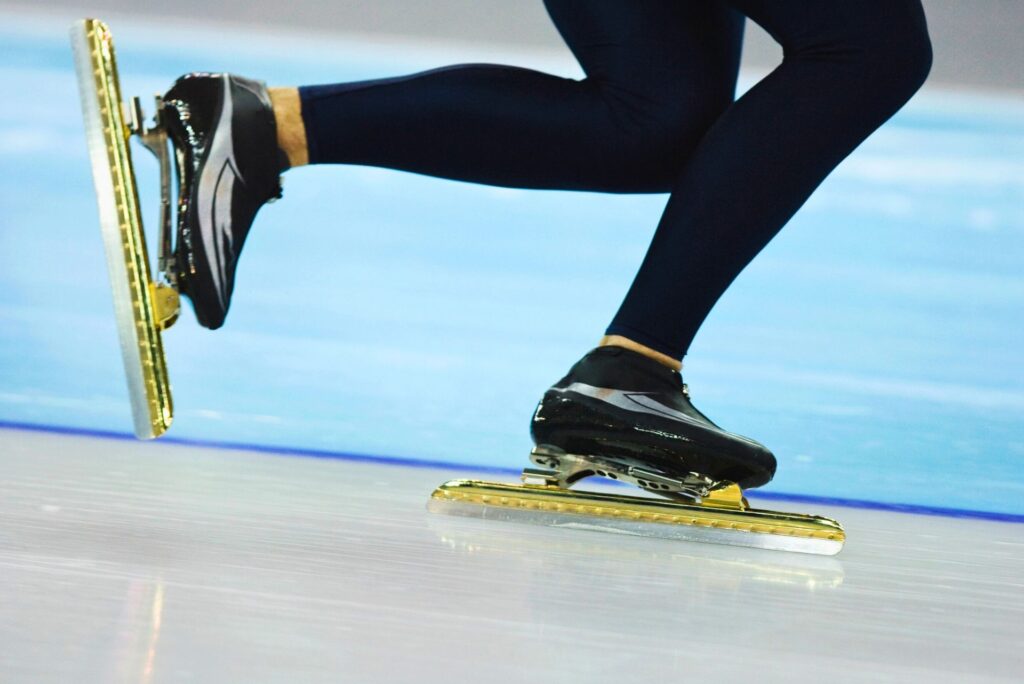
3. Speed Skating (or Recreational Skating)
You don’t need to be a competitive skater to benefit from time on the ice.
Skating — particularly speed skating — develops powerful glutes, strong quads, and hip stability through lateral movement, something runners don’t get much of during straight-line training. When done continuously, skating can also become a solid cardio workout, especially if you keep moving rather than coasting between short bursts.
The balance and coordination required on the ice also challenge stabilizing muscles around the hips and knees, which can complement running mechanics and potentially reduce overuse stress.
4. Snowshoeing
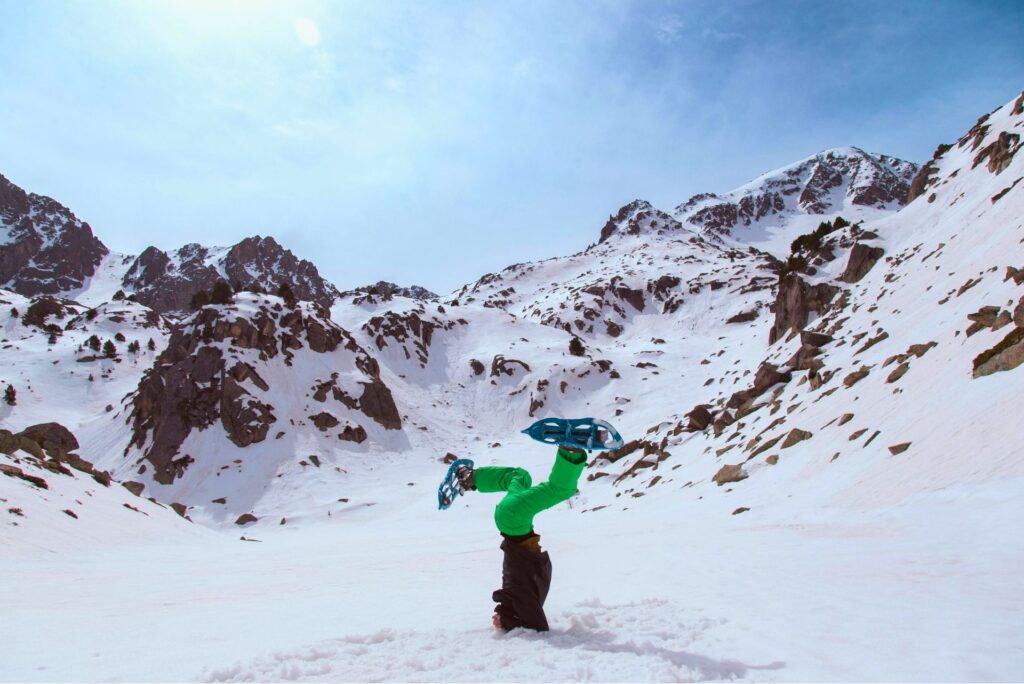
Whether you’re hiking, power walking, or running on snowshoes, this is one of the most accessible alternatives to running in the winter.
Snowshoeing mimics the natural gait pattern of running but adds resistance from snow and uneven terrain. Moving through deeper snow increases effort quickly, turning what feels like an easy outing into a steady endurance session. Add hills and you’ll feel it in your glutes and calves almost immediately.
Because the surface is softer and less repetitive than frozen pavement, snowshoeing can provide a lower-impact aerobic option while still keeping your heart rate elevated. On top of that, it’s a beautiful way to explore the outdoors in winter.
5. Downhill Skiing (or Snowboarding)
While downhill skiing and snowboarding aren’t pure endurance sports, they offer something many runners benefit from: strength and stability.
Controlling speed and direction requires constant eccentric quad engagement, knee control, and core stability. Over the course of a full day on the slopes, those micro-adjustments add up, creating a significant lower-body strength stimulus.
Although you won’t replace a long run with a few chairlift laps, time spent skiing or snowboarding can build resilience and durability in the legs — qualities that carry over when you return to running in the spring. It’s also a pretty great excuse to book that annual ski trip.

Do Winter Sports Really Maintain Running Fitness?
In many cases, yes — especially when it comes to aerobic base and muscular endurance.
Sports like cross-country skiing, ski touring, and snowshoeing keep your cardiovascular system working at a high level while reducing repetitive impact. Strength-focused winter sports, meanwhile, build stability and durability that can make you more resilient when you return to higher mileage.
Taking a seasonal detour doesn’t mean losing fitness. It often means maintaining it in a slightly different — and sometimes smarter — way.
The Bottom Line
You don’t have to log icy or indoor miles all winter to stay fit.
If you’re looking for alternatives to running in the winter, these five sports can help you maintain fitness, build strength, and keep training fun when temperatures drop.
Sometimes stepping away from your usual routine doesn’t mean losing progress — it just means building it differently.


